



products
Products







hot products
HOT PRODUCTS
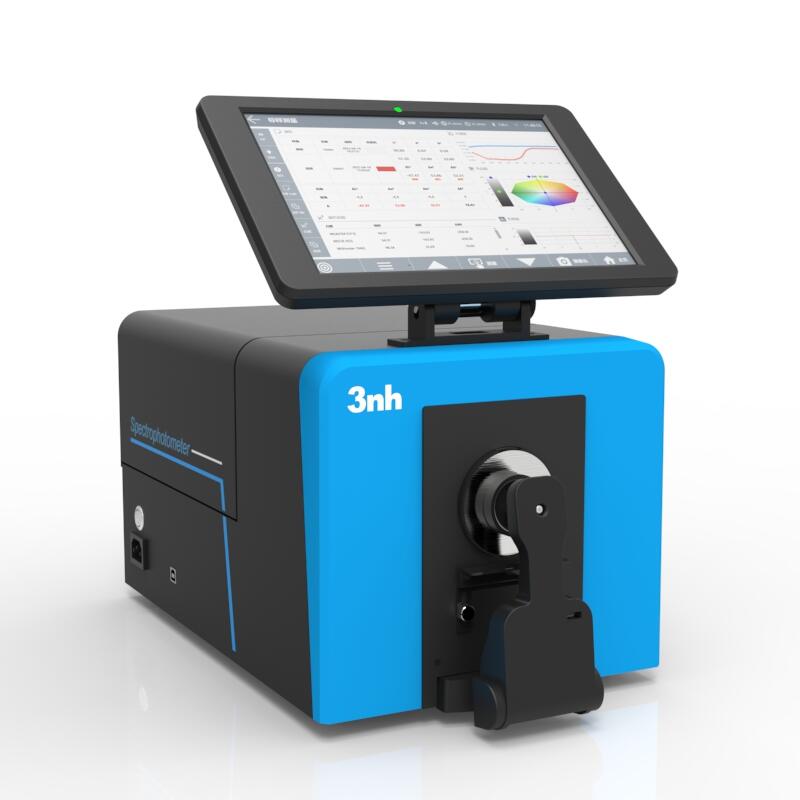
TS8500 Benchtop Spectrocolorimeter
The 3nh TS8500 Benchtop Spectrocolorimeter is a high-precision color measurement instrument designed for laboratory, R&D, and quality control applications. Featuring a D/8 optical geometry with SCI/SCE simultaneous measurement, dual-array high-sensitivity CMOS sensors, and full-spectrum illumination, it delivers accurate color, spectral, and color-difference data.It is widely used in cosmetics, food, plastics, textiles, coatings, printing, and material research industries. Fulcrum Technology is an authorized 3nh distributor, providing professional technical support and integration services.

TS4010 Benchtop Liquid Color Tester
The TS4010 benchtop liquid color tester is a high-precision color measurement instrument specifically designed for liquid samples. It enables accurate color and color-difference analysis of transparent and semi-transparent liquids through a stable optical system and precision sensing technology. This instrument is widely used in food & beverage, chemical, pharmaceutical, cosmetics and material R&D applications. It is suitable for laboratories, R&D centers and quality control environments. Fulcrum Technology is an authorized 3nh dealer, providing professional technical support and complete after-sales service.

Delcom RS450
RS450 SensorSingle-sided sensor embedded in 450 mm x 450 mm stage – ideal for thick or curved materialsNoncontact measurement of sheet resistance, sheet conductance, resistivity, thickness, and emissivityRange options from .005 ohms/square to 100,000 ohms/squareDetachable probe – add additional sensors, ranges, and stages any timeInterface via simple one button operation, Delcom software, Python library, or MODBUS/TCP

Delcom RD450 | Benchtop Non-Contact Surface Resistance Meter
RD450 SensorAvailable in narrow gap for thin materials (wafers,TCOs, etc.) or large gap for thick/curved materials (glass, mirrors, etc.)Two sided sensor with 450 mm by 450 mm stageNoncontact measurement of sheet resistance, sheet conductance, resistivity, thickness, and emissivityRange options from .005 ohms/square to 100,000 ohms/squareDetachable probe – add additional sensors, ranges, and stages any timeInterface via simple one button operation, Delcom software, Python library, or MODBUS/TCP

Delcom RS300 Sensor
RS300 SensorSingle-sided sensor embedded in 300 mm x 300 mm stage – ideal for thick or curved materialsNoncontact measurement of sheet resistance, sheet conductance, resistivity, thickness, and emissivityRange options from .005 ohms/square to 100,000 ohms/squareDetachable probe – add additional sensors, ranges, and stages any timeInterface via simple one button operation, Delcom software, Python library, or MODBUS/TCP
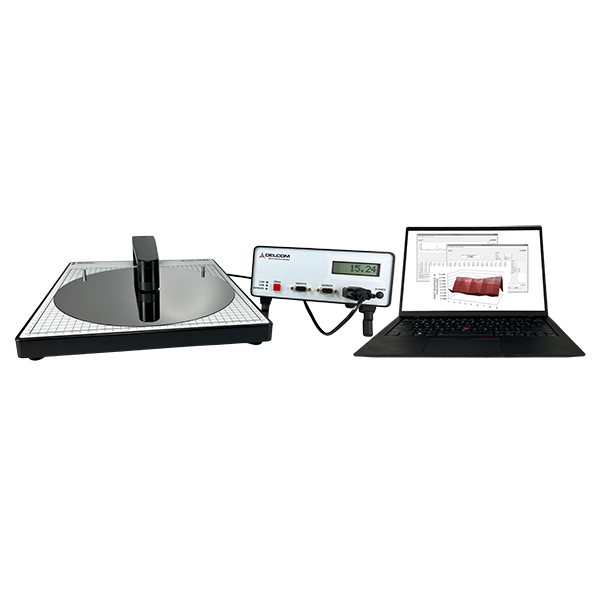
Delcom RD300
RD300 SensorAvailable in narrow gap for thin materials (wafers,TCOs, etc.) or large gap for thick/curved materials (glass, mirrors, etc.)Two sided sensor with 300 mm by 300 mm stageNoncontact measurement of sheet resistance, sheet conductance, resistivity, thickness, and emissivityRange options from .005 ohms/square to 100,000 ohms/squareDetachable probe – add additional sensors, ranges, and stages any timeInterface via simple one button operation, Delcom software, Python library, or MODBUS/TCP
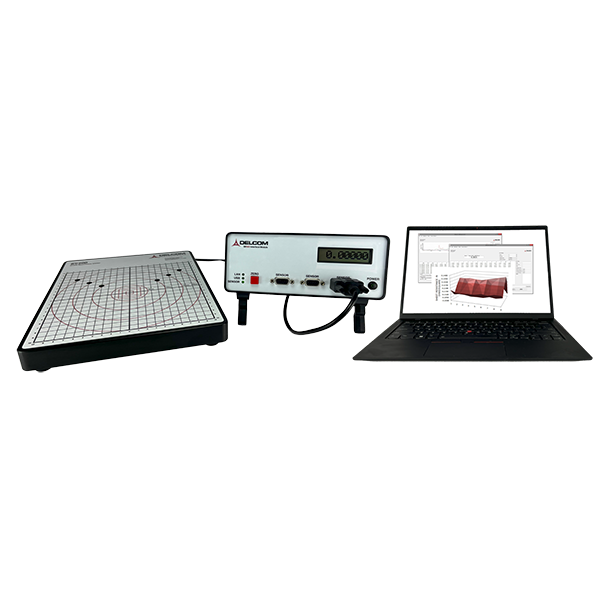
Delcom RS200 非接觸式表面電阻量測
Single-sided sensor embedded in 200 mm x 200 mm stage – ideal for thick or curved materialsNoncontact measurement of sheet resistance, sheet conductance, resistivity, thickness, and emissivityRange options from .005 ohms/square to 100,000 ohms/squareDetachable probe – add additional sensors, ranges, and stages any timeInterface via simple one button operation, Delcom software, Python library, or MODBUS/TCP
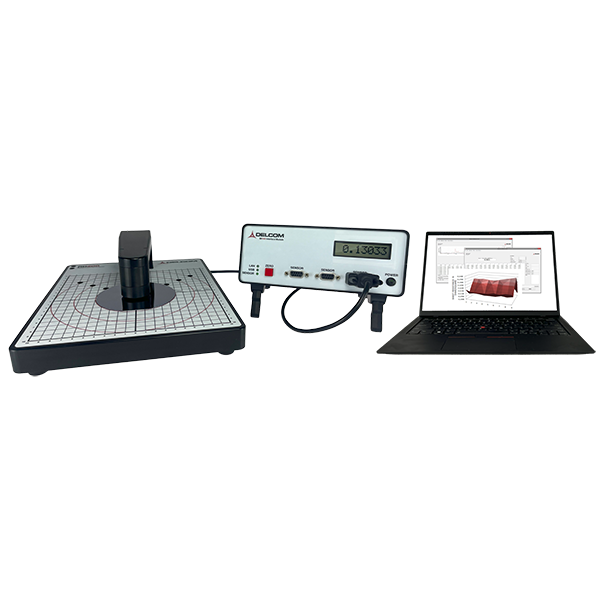
DELCOM RD200
Available in narrow gap for thin materials (wafers,TCOs, etc.) or large gap for thick/curved materials (glass, mirrors, etc.)Two sided sensor with 200 mm by 200 mm stageNoncontact measurement of sheet resistance, sheet conductance, resistivity, thickness, and emissivityRange options from .005 ohms/square to 100,000 ohms/squareDetachable probe – add additional sensors, ranges, and stages any timeInterface via simple one button operation, Delcom software, Python library, or MODBUS/TCP
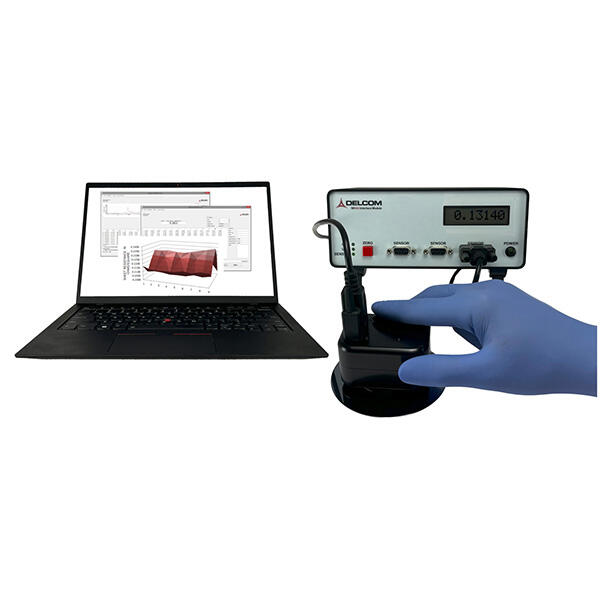
Delcom S3 Hybrid
S3 Benchtop or Inline SensorSingle-sided sensor reads even the thickest nonconductive substratesNoncontact measurement of sheet resistance, sheet conductance, resistivity, thickness, and emissivityRange options from .005 ohms/square to 100,000 ohms/squareHybrid instrument – use for benchtop, inspection station, or inlineDetachable probe – add additional sensors, ranges, and stages any timeInterface via simple one button operation, Delcom software, Python library, or MODBUS/TCP
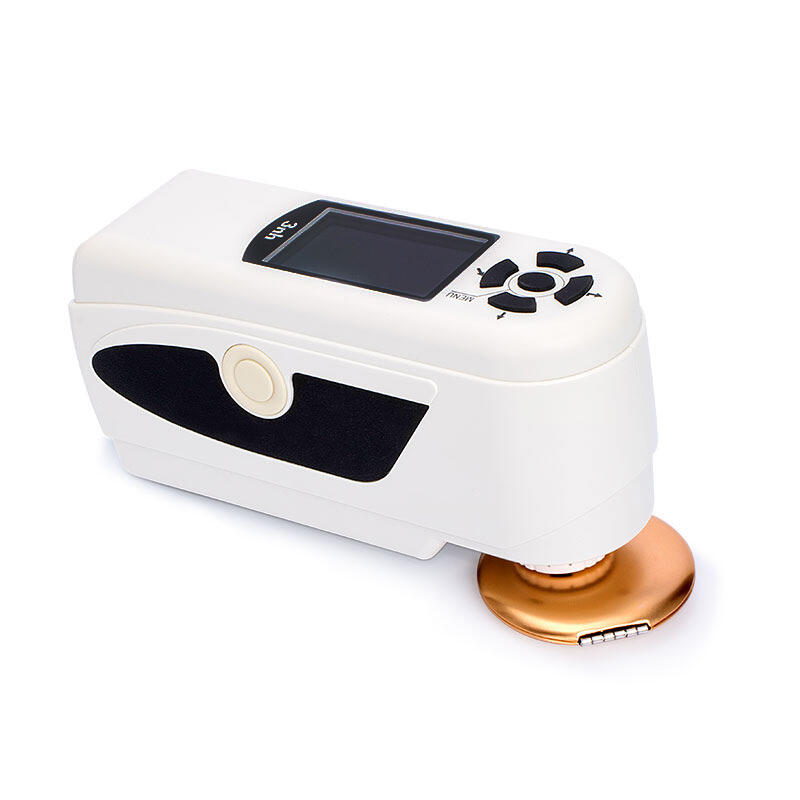
Advanced Colorimeter NH310
about
About US
Saving your cost and providing the right solution is our mission
Measure ? you have better options
Measure ? you have better options
Since its establishment in 2009, FULCRUM TECHNOLOGY has been the Taiwan agent of European, American, Japanese and Chinese equipment. We are deeply involved in semiconductors, solar energy, flat panel displays, LEDs, industrial manufacturing, textiles, printing, automobiles, and academic research units. It is our endeavor to find outstanding measuring equipment.
FULCRUM TECHNOLOGY is the agent of 3nh gloss meter, color difference meter, haze meter, American Delcom and Korean AIT resistance measuring instrument and Partulab instrument, etc., providing you with the most complete testing plan.